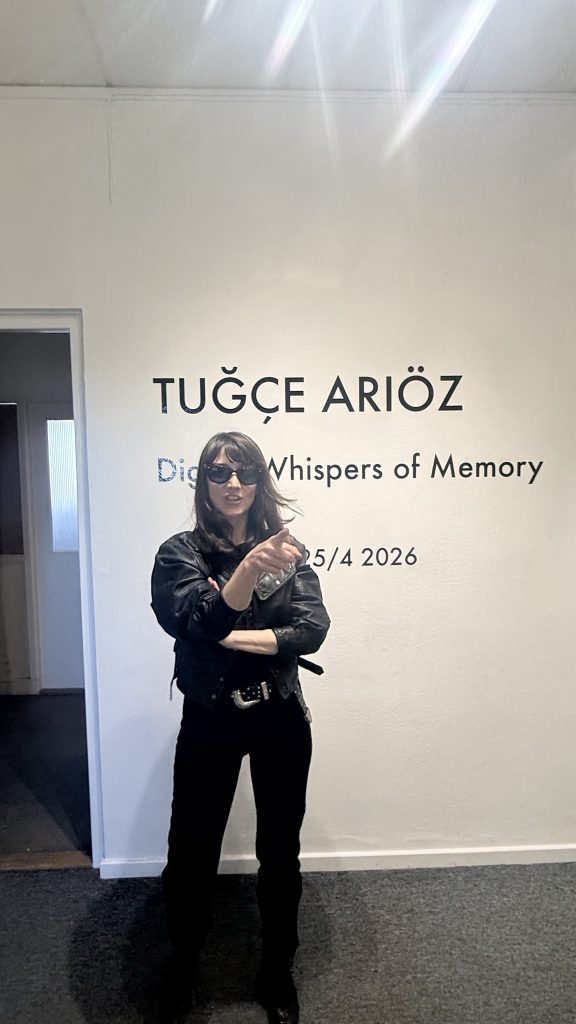
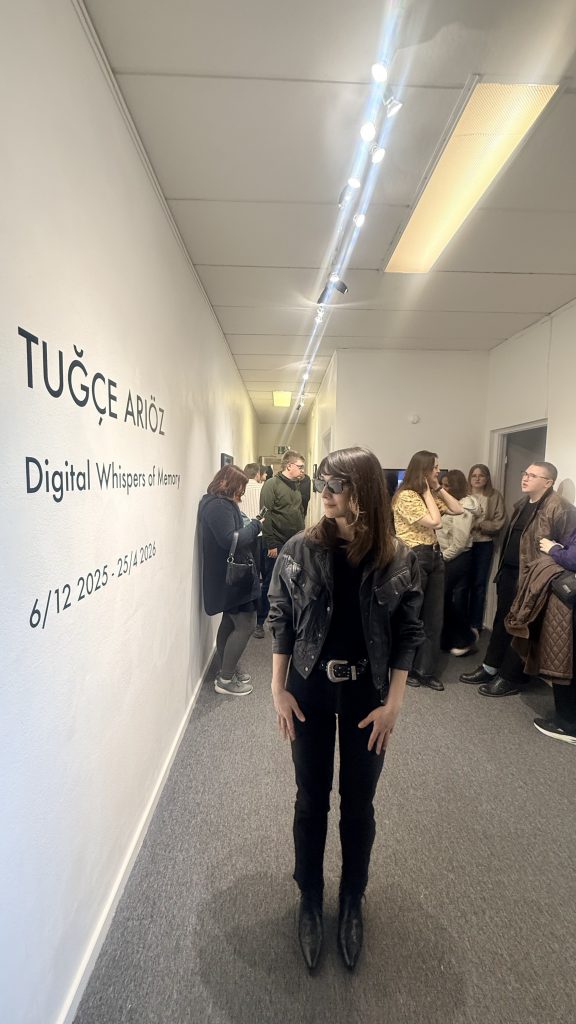
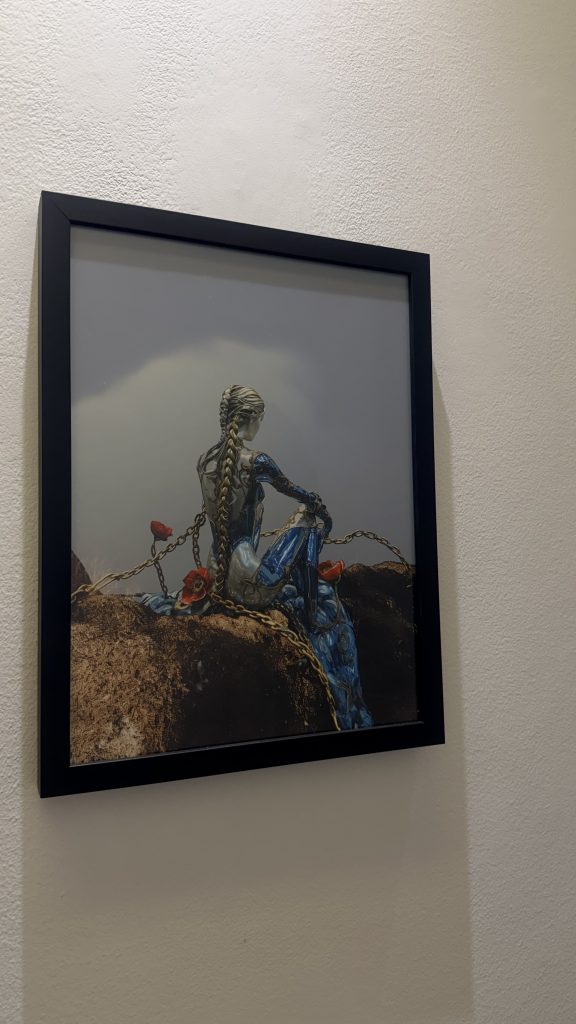
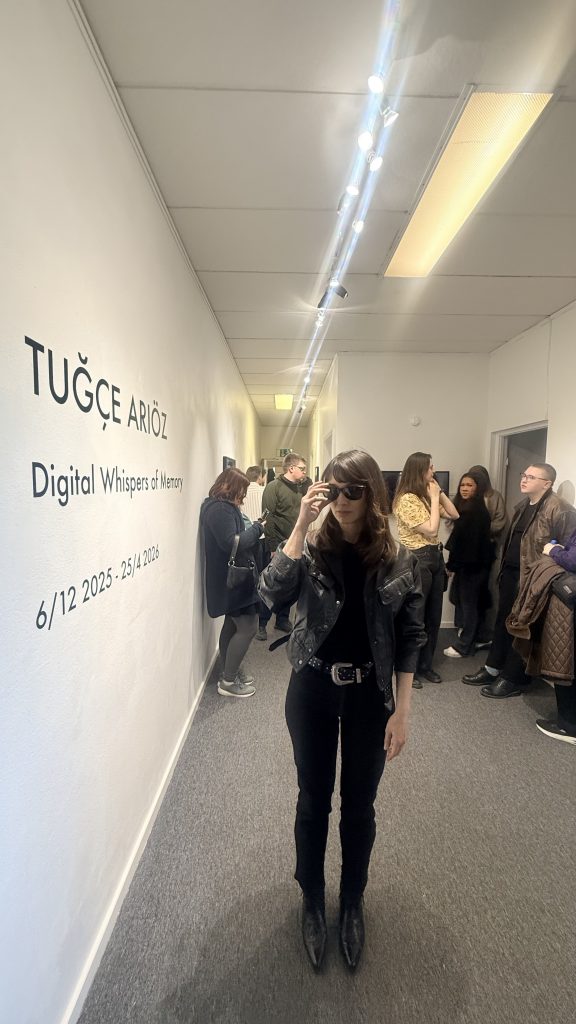
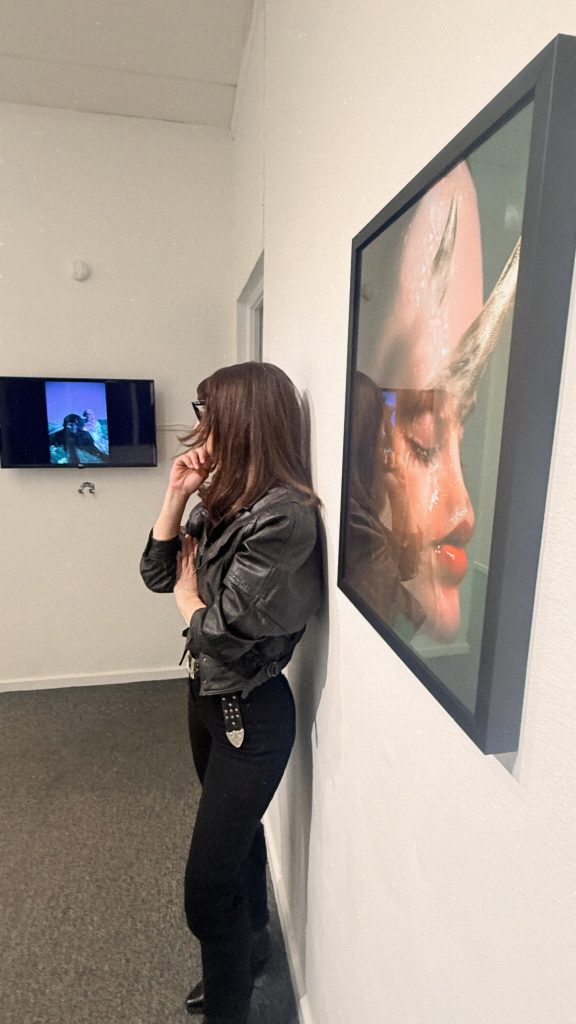
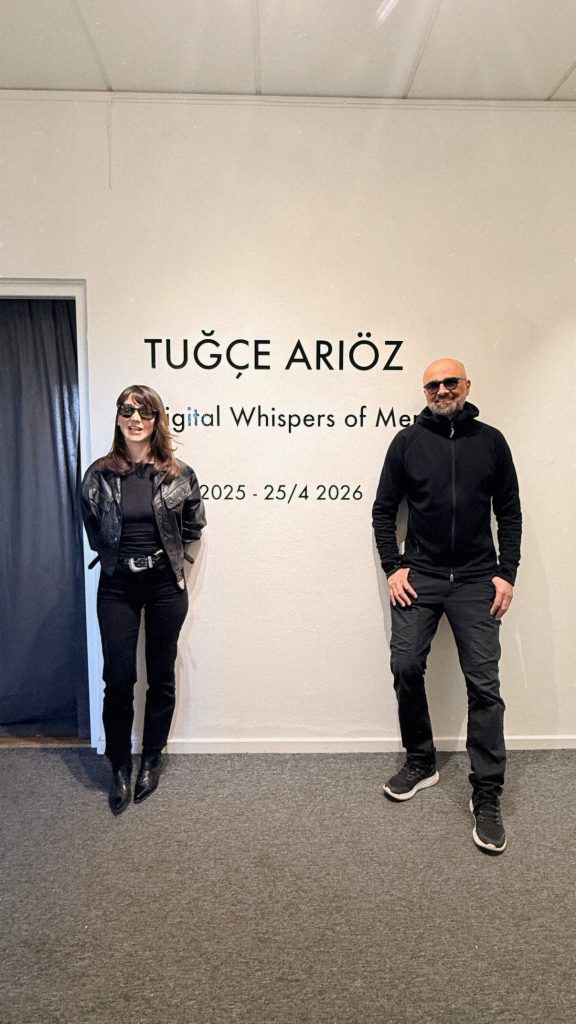
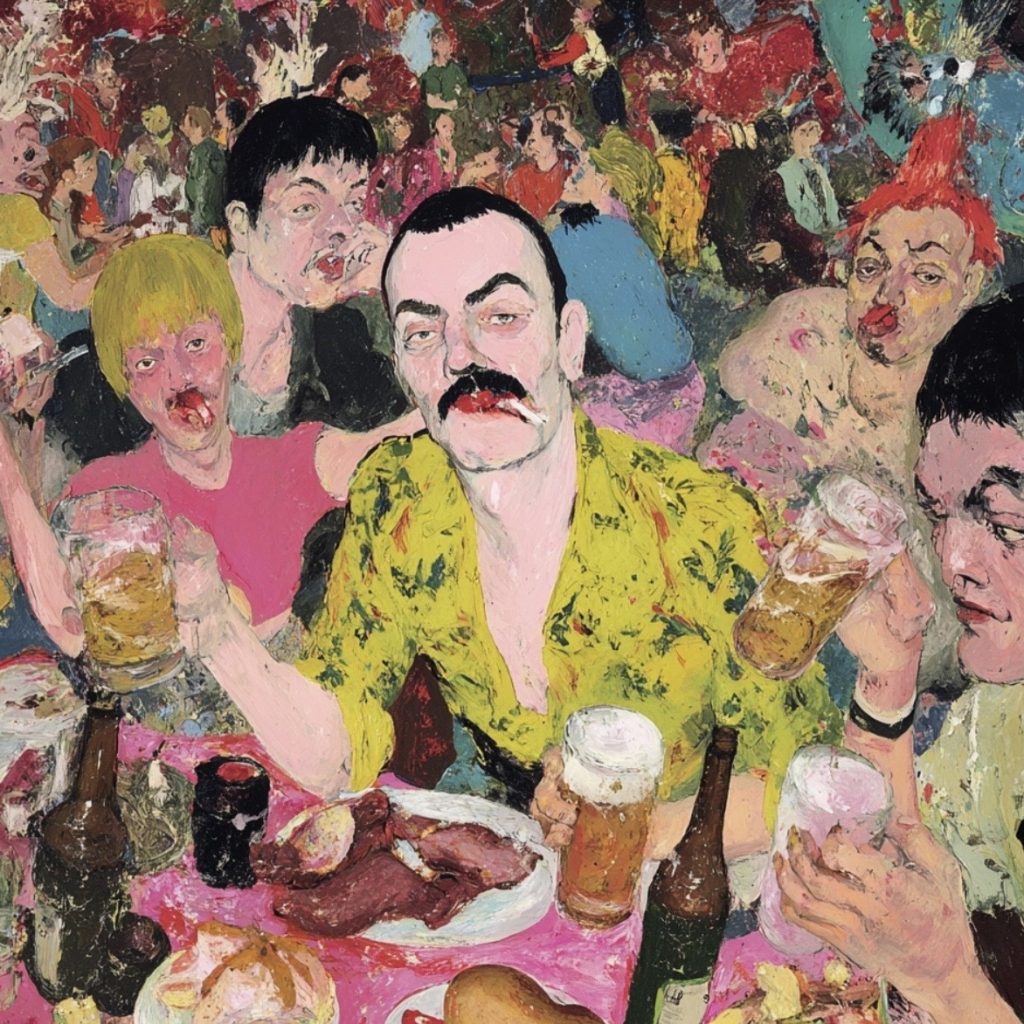
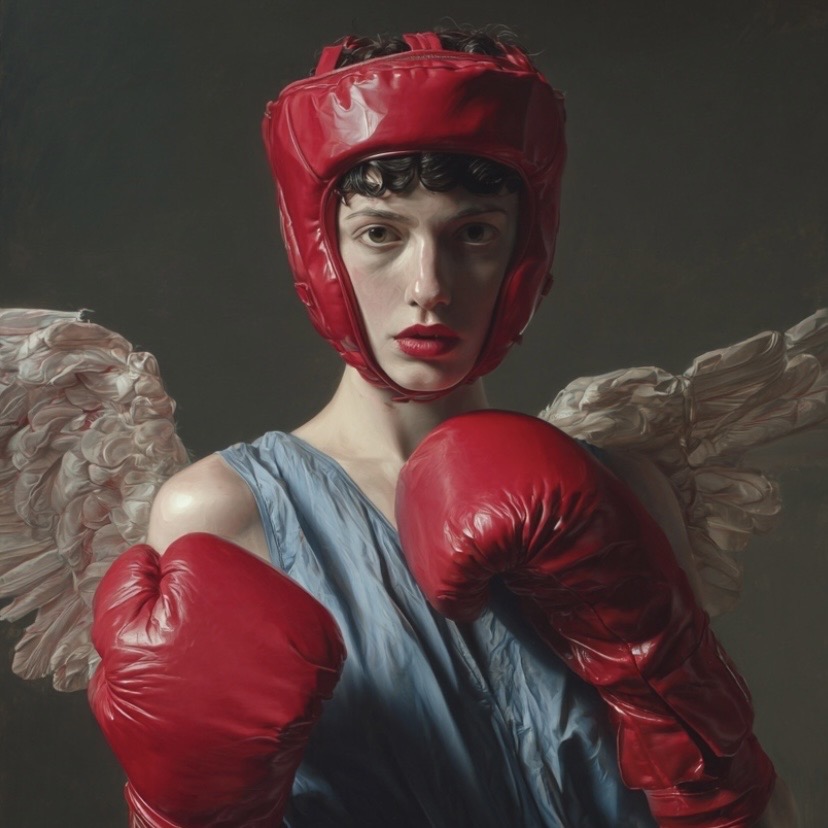
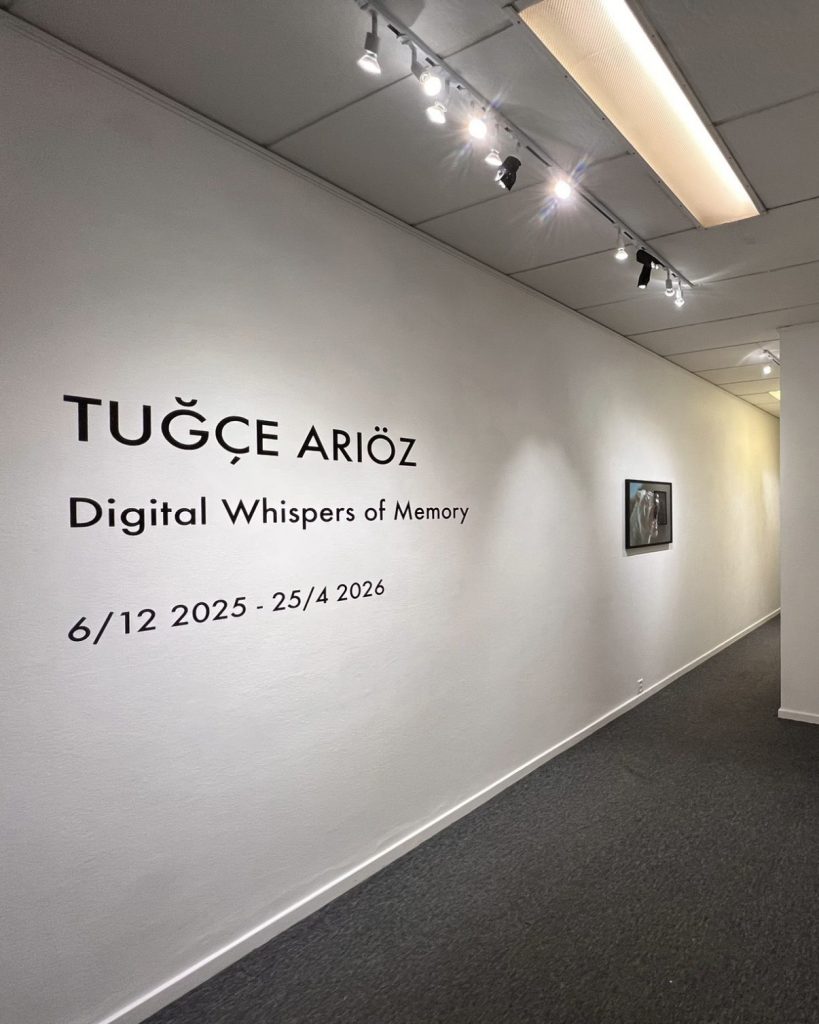
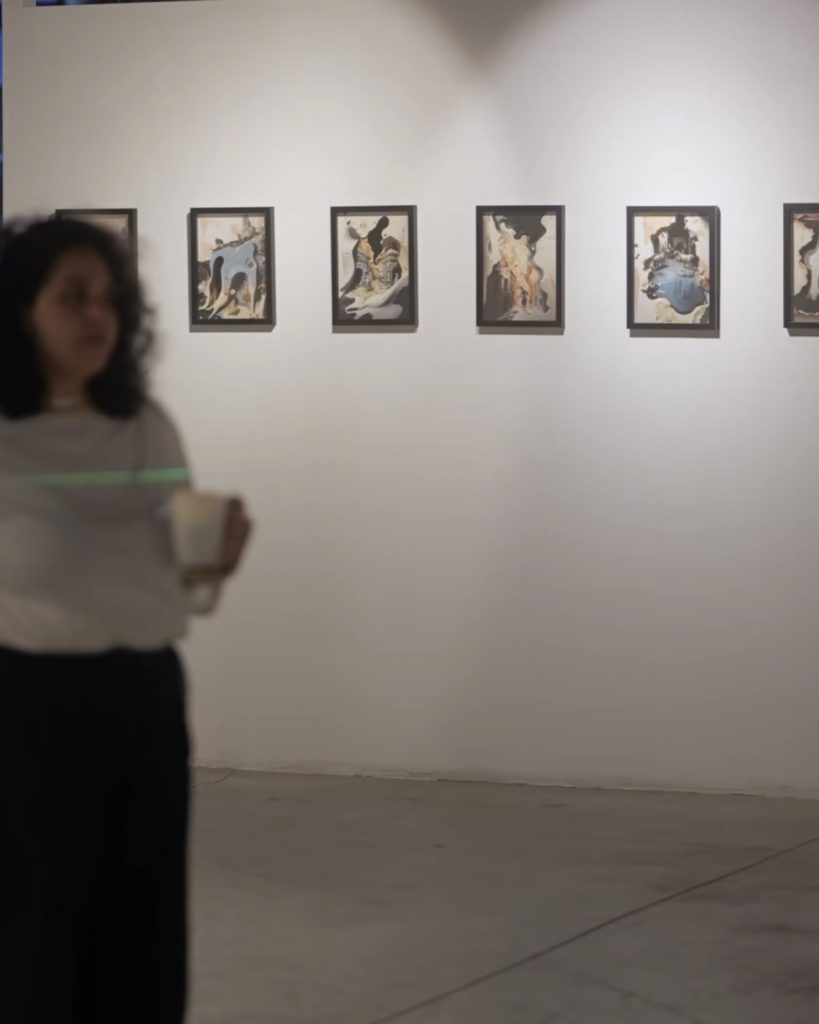
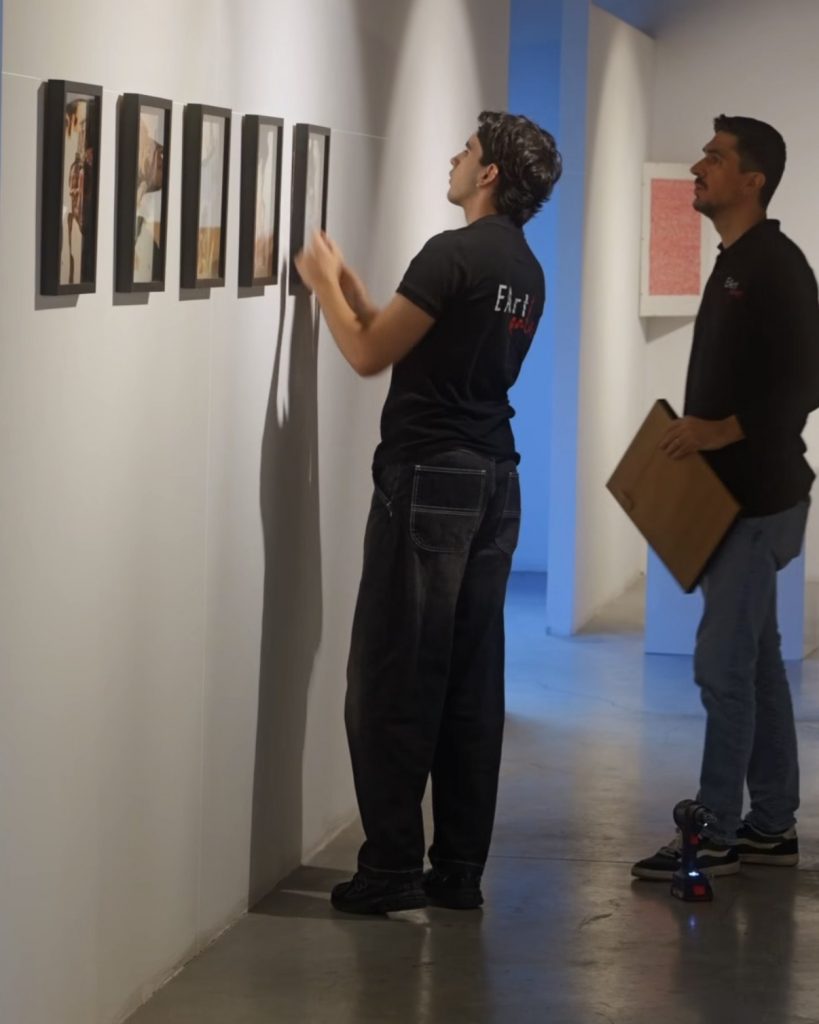
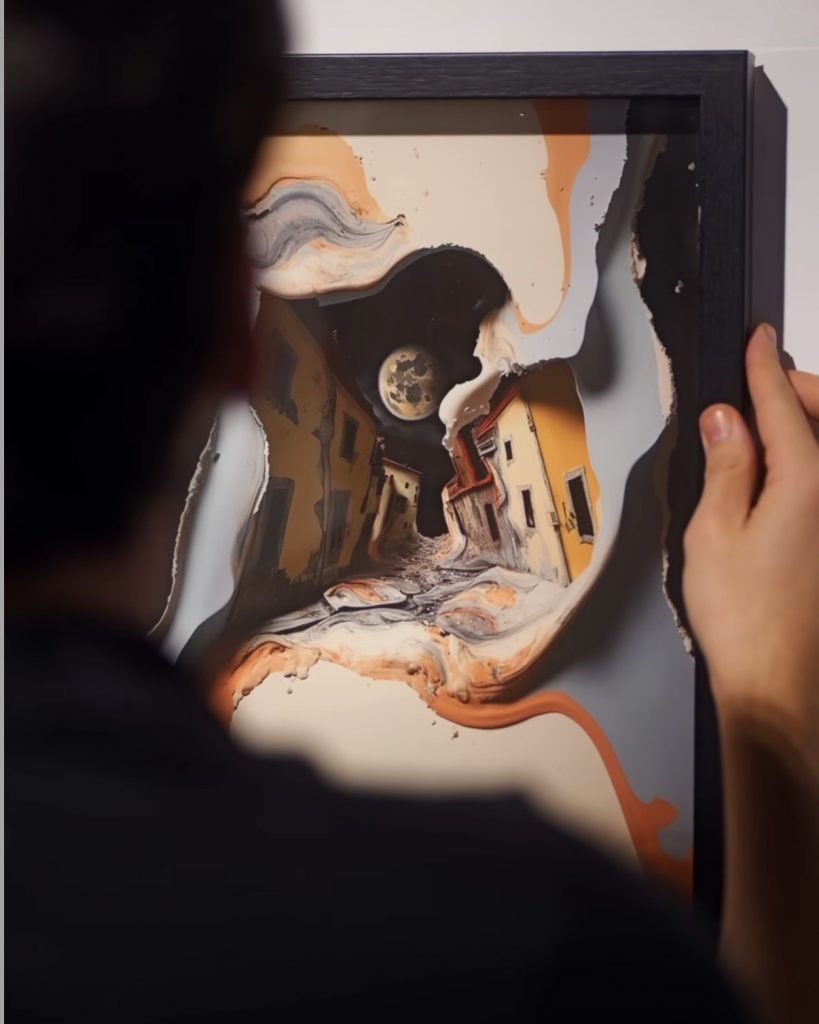
Tuğçe Arıöz’s artistic practice explores the continuity between analog, digital, and AI-assisted image production. Her visual language has evolved from layered surface explorations in painting into collage, video, and AI-based productions over time.
For Arıöz, collage is not merely a technique but a way of thinking. For nearly fifteen years, she has worked with both manual and digital collage methods, investigating processes of deconstructing images, reconstructing them, and bringing them together within new contexts. Her interventions on photographs she has taken herself have formed an experimental field examining memory, identity, and transformation.
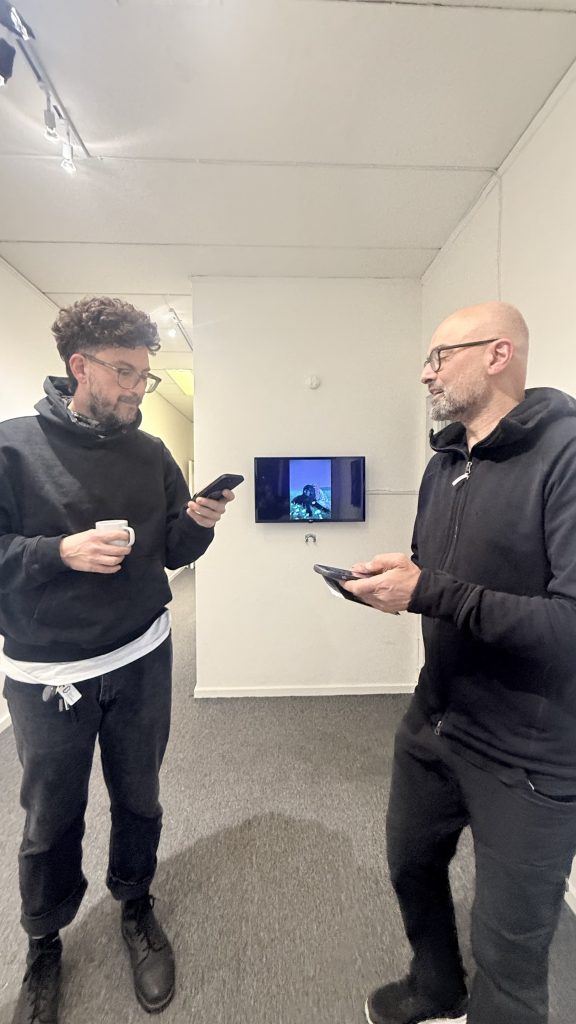
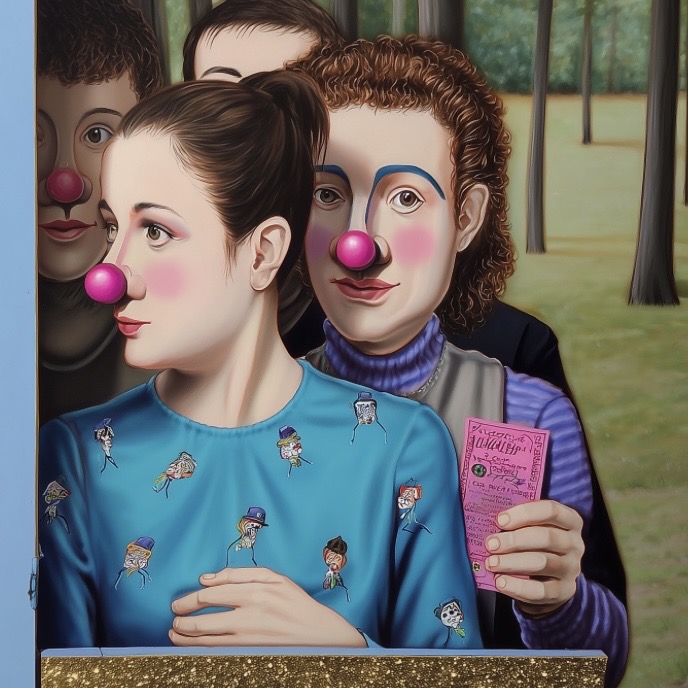
Over time, this collage-based thinking has extended into moving image. Her video works have become expanded forms of collage that explore the temporal transformation of the image. Her analog paintings are also transferred into digital environments and reinterpreted, becoming one of the foundational layers of her interdisciplinary practice.
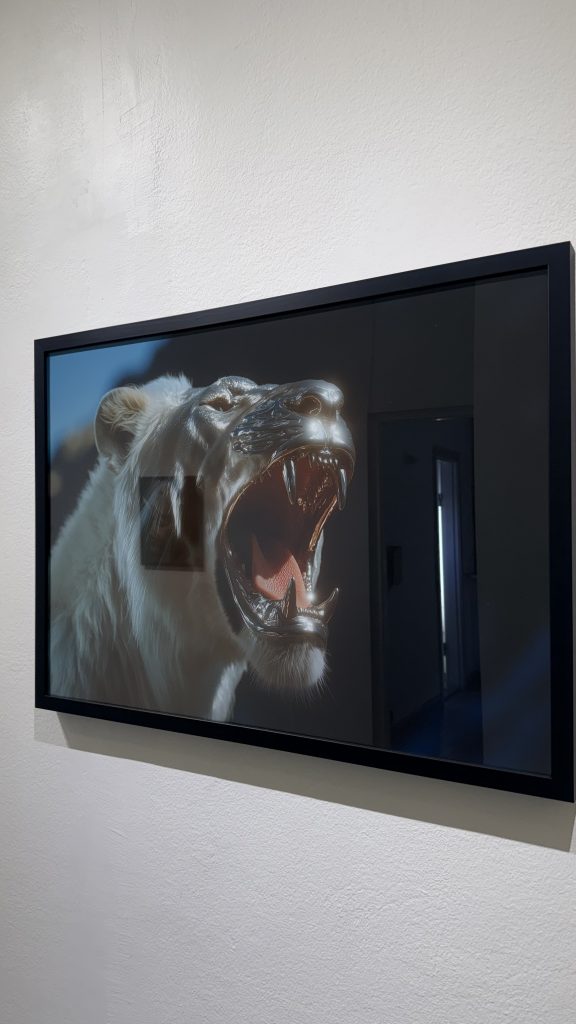
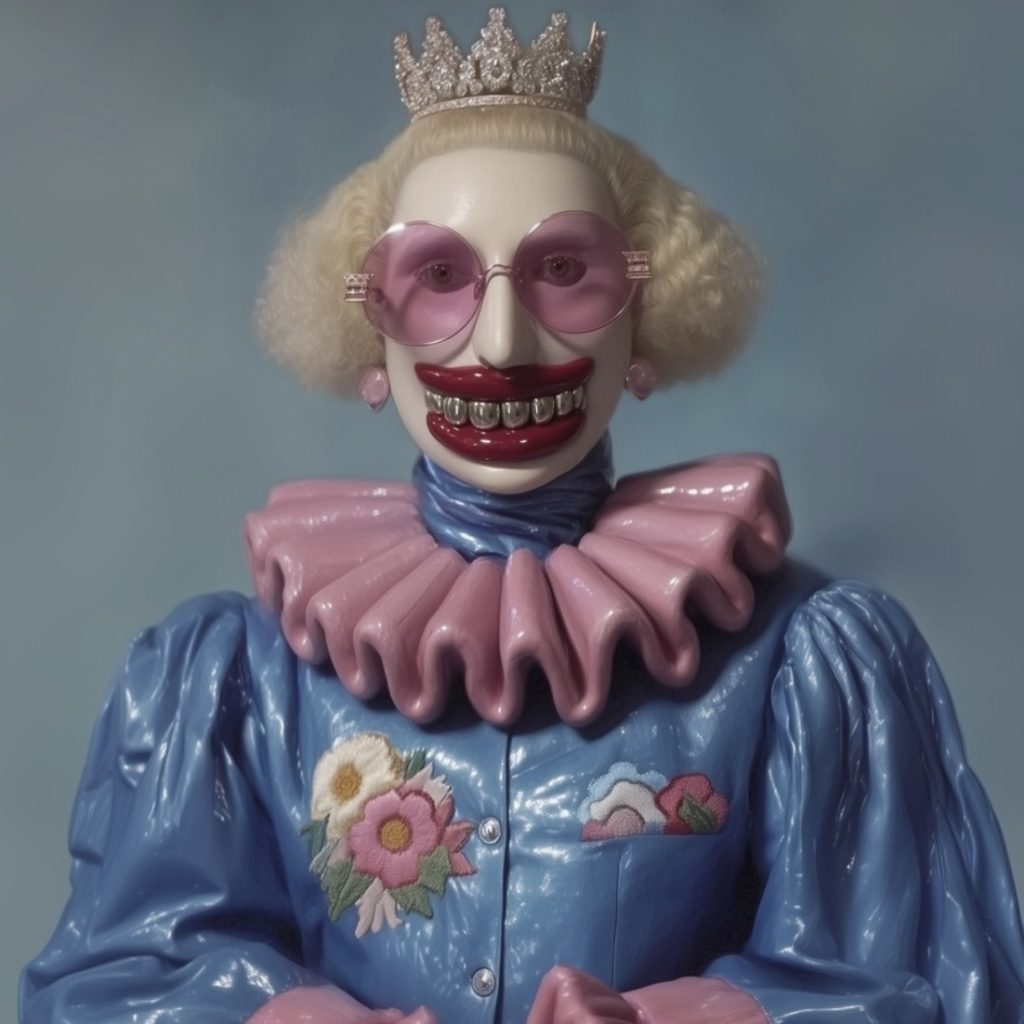
In recent years, the artist has integrated artificial intelligence tools into her practice. However, for Arıöz, AI is not a new direction or a technical leap, but a natural evolution of her long-standing collage-based thinking system. She positions AI not as a tool for producing effects, but as one of many production tools—like paint, scissors, or a camera.
Although her use of AI opens up discussions on the perceptual boundaries of technology in art, Arıöz does not seek to position herself at the center of these debates. For her, AI is neither an aesthetic nor an ideological battleground, but a natural extension that expands the flow of thought into production. She continues her practice not as a response to current debates, but through an intuitive and research-driven continuity.
Ritual, collective consciousness, and cultural memory are key areas of inquiry in her work. While examining the intersections between individual experience and collective memory, Arıöz draws from quantum consciousness and sociophysics. She aims to reveal the fragility of knowledge that is widely accepted as absolute. Algorithmic errors, system flaws, and random distortions become both aesthetic and conceptual signatures in her work.
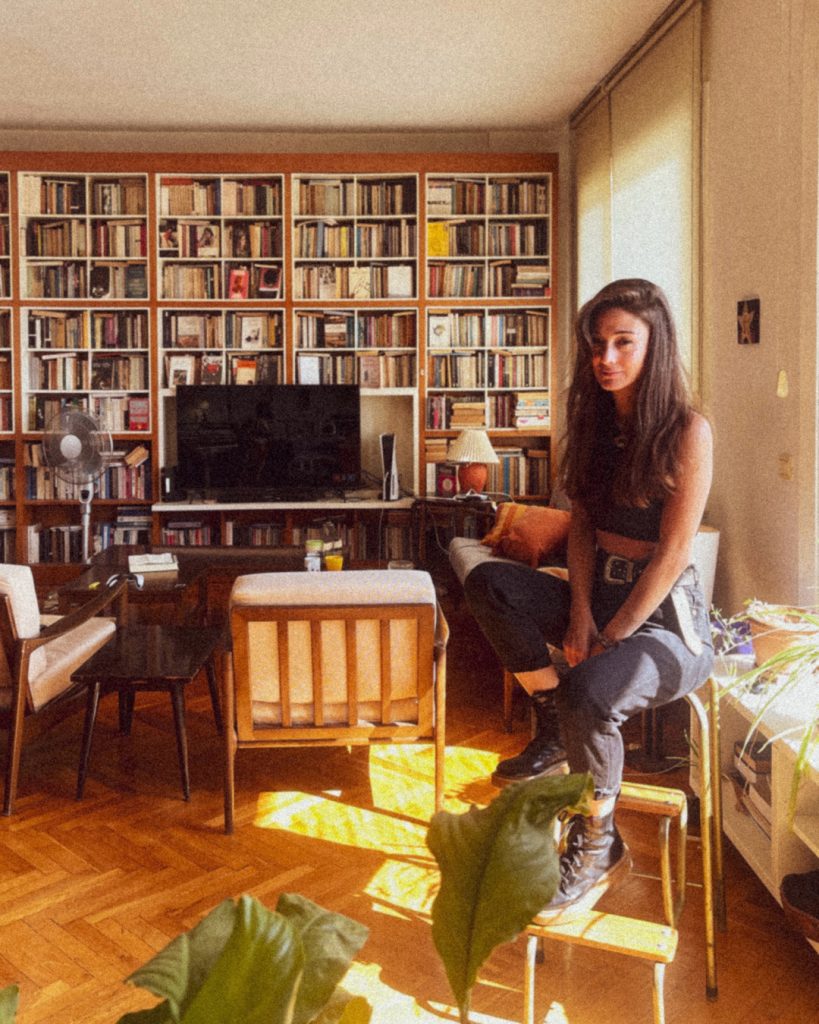
The life balance she establishes between city and nature forms an important metaphorical layer in TTuTTe’s practice. The processes of production and cultural interaction in the city, alongside creative experiences developed in nature, are reflected as an extension of collage thinking into a way of living. The site of production is not fixed, but emerges as a layered field where different life experiences overlap.
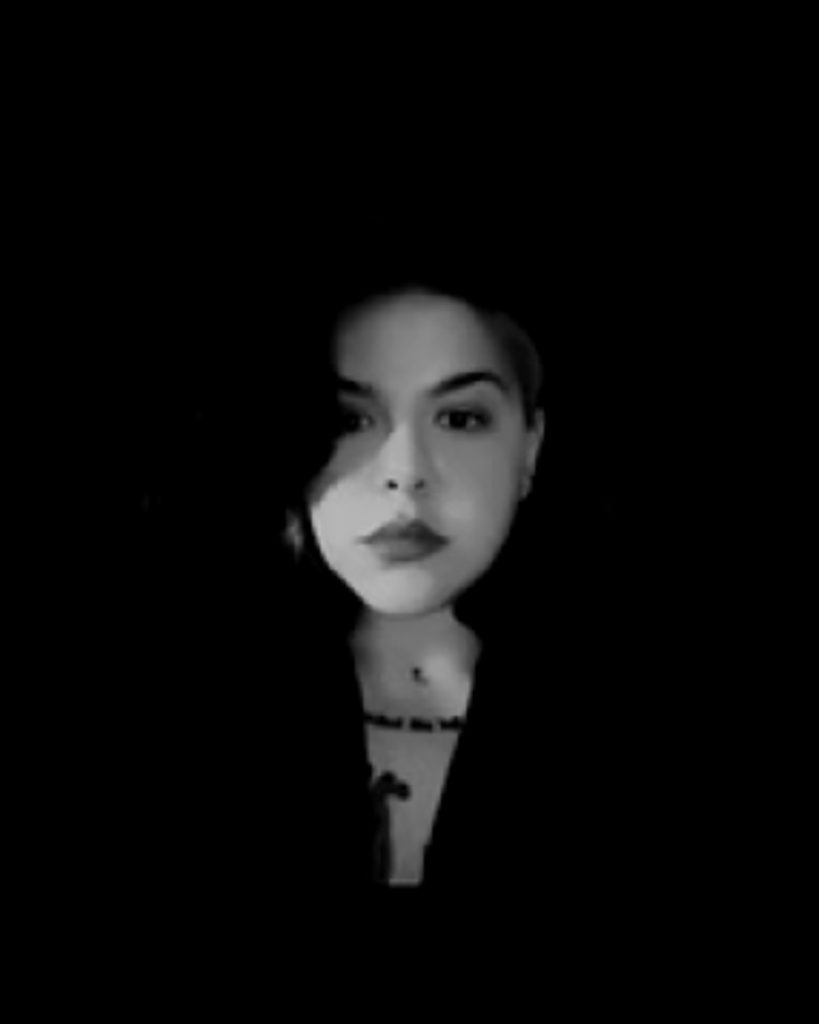
In her works, TTuTTe frequently uses her own image as a starting point. However, this goes beyond the tradition of self-portraiture, forming an experimental field that explores the transformation of identity, body, and existence. Identity is treated not as a fixed representation, but as a continuously evolving process.
For Arıöz, the viewer is not a passive observer. Beyond being a witness standing before the work, the viewer becomes part of the questions posed by it. She approaches the production process as a collective experiential field that expands through the emotional and intellectual participation of the viewer. The audience’s responses, shared emotions, and interpretations become an integral part of her research process.
Her works construct a multilayered visual language that investigates the boundaries between control and chance, individual and collective memory, and analog and digital modes of production.
Arıöz’s practice points toward a new field of visual thinking in which human memory evolves simultaneously across analog, digital, and synthetic layers.